What should a pool proposal open with?
Name the parties and the property, give the proposal a version, and say what the homeowner is deciding. Is it a first design direction, a detailed scope review or a priced offer? Say which before you show a total.
How do you describe the scope?
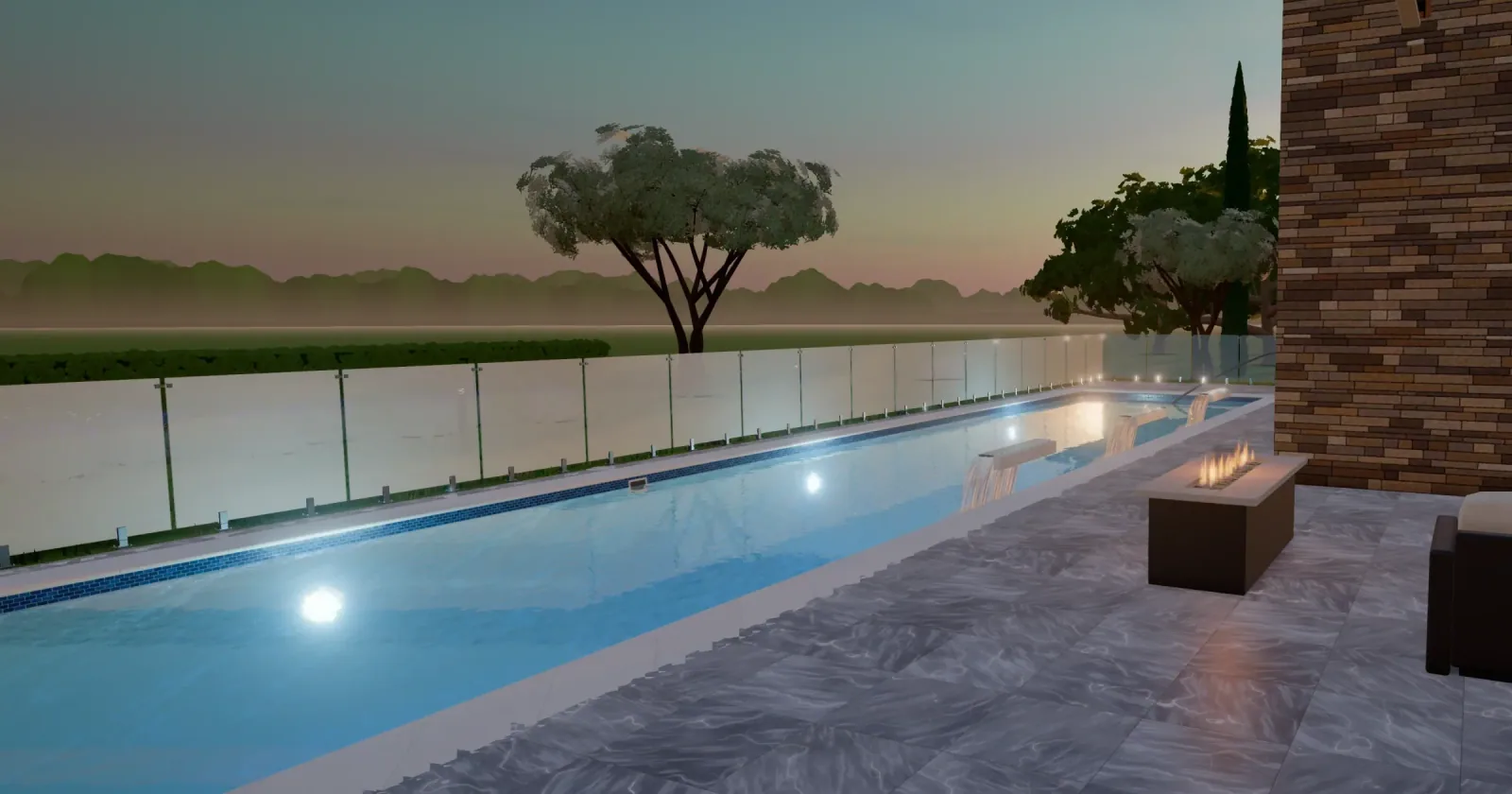
List the materials, dimensions, equipment and the installation work included. Keep the base scope apart from upgrades. When you use pictures, put a plain description beside each one and say the concept may differ from the final approved design.
How do you show the price?
For measured items, show the quantity, unit, rate and line total. Say whether a package price includes preparation and disposal. Label an allowance as an allowance. Never use zero for a price you don't have, or one for a quantity you don't know.
What limits and terms belong in it?
List known exclusions, site assumptions, how long the offer is valid and how changes are approved. Describe deposits and payment stages accurately; asking for a deposit doesn't mean it has been paid. Have the contract language reviewed for the actual project and jurisdiction.
What do you check before you send it?
Check every included option for missing information, totals, contact details and the right property. Send a published version the homeowner can identify. When terms change, keep the old accepted version and ask the homeowner to approve the revision.
- Confirm how the homeowner wants to be contacted.
- Check quantities separately from prices.
- Keep private design instructions out of the scope the homeowner sees.
- Set the next follow-up instead of treating an open as acceptance.